

How to Choose a Drip Coffee Maker
The drip coffee maker is a favored method for making a large amount of brew. They function by pouring hot water over ground coffee beans, extracting flavors and oils. They are available in a variety of sizes, from single-serve machines to carafes that hold up 12 cups.
Many models offer programmability as well as strength-specific customization, among other options that can bring the cafe-like atmosphere to your kitchen. But how can you choose the right one for your needs?
Grinder size
It's simple to use and produces an even cup each time. However, selecting the right grind size for your dripping coffee maker is vital for optimal extraction and flavor. If you have under-extracted your coffee, it will taste acidic or sweet. Over-extraction may lead to bitterness.
The ideal grind size for your coffee will depend on the filter type and brewing technique you choose. For instance, flat-bottom filters require a medium-sized grind, while cone-shaped filters call for a finer grind. The size of the grind can be affected by the roast level and origin of the beans. The process of experimenting with different sizes of grinds can help you find the perfect fit for your brewing equipment and preferred coffee bean flavor profile.
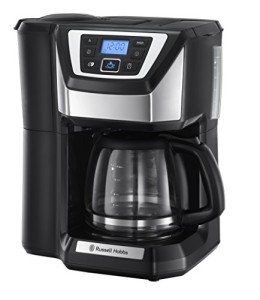
No matter what kind of coffee maker, most experts recommend using a medium grind size. This size of grind is suitable for a wide range of brewing methods and lets the water flow through the grounds evenly. It also stops over-extraction, which can lead to the taste of a hollow or bitter.
Another factor that influences the grind size is the coffee-to-water ratio. The most efficient method to determine this ratio is to use a scale in the kitchen. best filter coffee machine uk will give an approximate number for every six ounces. This will vary based on your water's temperature and the density of your coffee.
It's also important to keep in mind that the coffee-to-water ratio is different depending on the origin of the coffee bean and roast level. It is recommended to use a burr grinder that produces an even size grind by crushing the coffee beans between two rollers. A good burr grinder is more precise than a blade grinder, and will help you achieve the ideal medium grind for your drip coffee maker.
In addition to determining the correct grind size, you need to think about the capacity of your drip coffee maker. Based on the size of your family, you might need a single-serve machine that is able to brew a few cups at a time, or a carafe with 12 or more cups. Many drip coffee makers can be programmed to prepare coffee at a particular time in the morning.
Filter type
There are several different types of filters that can be used in conjunction with a drip coffee maker. The filter's type can have a significant impact on the taste of your coffee. From the shape to the material, there are numerous factors that determine which filter is suitable for your drip coffee maker. The size and material as well as the thickness of the filter are important aspects. There are a variety of other features that can affect the taste of your coffee, including the capacity and programmability.
One of the most popular coffee filter types is paper. Paper filters are cheap easy to clean, and easily available. However, they don't remove the dirt more effectively than other filters. They are also not as green since they are composed from trees and bleached with chemicals. They may also leave a papery taste in the mouth, which can be eliminated by soaking the filter prior to using it.
Other kinds of filters include metal and cloth. Metal filters can be reused however they should be thoroughly cleaned and rinsed after each use. This will stop micro-fines from building up. They're also more expensive than paper filters, however they can give a more intense taste and a more robust cup of coffee.
Cloth coffee filters come in a variety of shapes and are made from hemp, cotton or nylon mesh. They are increasingly popular due to their ability produce a balanced, full-bodied cup of coffee with no bitterness. They are made up of woven fibers that trap more oil and sediment than metal filters but still allow some to pass through, creating a rich and balanced flavor.
The disc filter is a different popular type of coffee filter. It is often used for Vietnamese-style coffees, such as ca phe and bac xiu sua da. The coffee is slowly poured through the filter to concentrate flavors, resulting in an aromatic and flavorful beverage that can be consumed on its own or with condensed milk. The disk filter is easy to clean and less prone to bend than other filters. It is an excellent choice for those who use it regularly.
Heating element
Many coffee lovers are fascinated by the process of brewing drip-style coffee. The simple, efficient design and user-friendly make dripping machines popular choices at home and in the office. There are a few aspects to consider prior to deciding on the right one for you. These include the type of grounds, the filter, and the heating element. They can affect the flavor and aroma. You can also choose a machine with extra features to make it easier and more flexible.
The heart of a coffee maker is its heating element. The heating element is a resistive component sandwiched between the warming plate and an aluminum water tube. The tube is coated with a white heat-conductive greasing that helps transfer heat. The heating element is heated using electricity, which heats up the water inside the reservoir. The hot water flows through the tube and into the brewing basket where it's sprayed onto ground beans.
A frequent question regarding the heating element is how it can get so hot in such a short time. The answer is that it's a clever piece of technology. The heating element is a little like a super-fast stove specifically designed for water. When it's on, it begins heating up quickly. The water comes in through tubes that are wrapped around the heating element and as it passes by it becomes hotter and hotter. This is how your coffee gets so hot in only a few minutes.
Most drip-style coffee makers have a reservoir that holds the water prior to coffee brewing process begins. It's usually transparent so that you can see the level of water. The reservoir is connected to the water tube via an opening at the bottom. The water is heated by the resistance heating element that is powered by electricity and located beneath the reservoir's base.
As the water boils it rises up the white tube, and over the grounds inside the filter. The grounds are saturated with hot water and begin to release CO2. This process is known as "blooming" and is necessary to eliminate unpleasant, sour flavors. After a few moments it is when the hot water reaches top of the tube and begins to trickle through the grounds and into the pot.
Carafe
The carafe of a coffee maker is used to hold the coffee that is ready to serve. The carafe is typically made of glass or stainless steel Some models offer thermal carafe. Thermal carafes keep the flavor of your coffee and keep it hot longer than glass. They look nice on the counter tops of your kitchen and are easier to clean than glass carafes.
Before starting the brewing cycle, you must first fill your coffee maker's reservoir with water. This is an essential step since the quality of your water will greatly impact the taste of your coffee. Use filtered water for the best results.
Once you have filled the reservoir of water in your coffee maker switch it on and begin the brewing process. The water is heated to a perfect temperature and then sprayed on the grounds of coffee. The grounds are then allowed to soak up the water for several minutes. Following this the coffee has been brewed, it will flow through the filter into the carafe below.
When selecting a coffee maker to buy, you should consider the size and design of the machine as well as the features. The models come in a variety of sizes, ranging from one-serve machines to a large carafe for coffee that can hold up to 12 cups at once. Certain models have an "strong" setting which lets you adjust the strength of your coffee.
Consider a single-serve coffee maker like the Keurig, or Nespresso if you want to make coffee faster and more easily. These machines use pre-measured coffee pods that can make one cup of drip-brewed coffee and can be the best option for those looking for a quick and consistent coffee brew. However they are less flexible than drip coffee makers and may cost more per cup because of the high price of coffee pods. If you like a more traditional brew then opt for a drip maker with an adjustable filter. This allows you to use your own paper filters instead of purchasing expensive filters. They are also less likely than paper filters to be blocked by mineral deposits.